Learning Environments
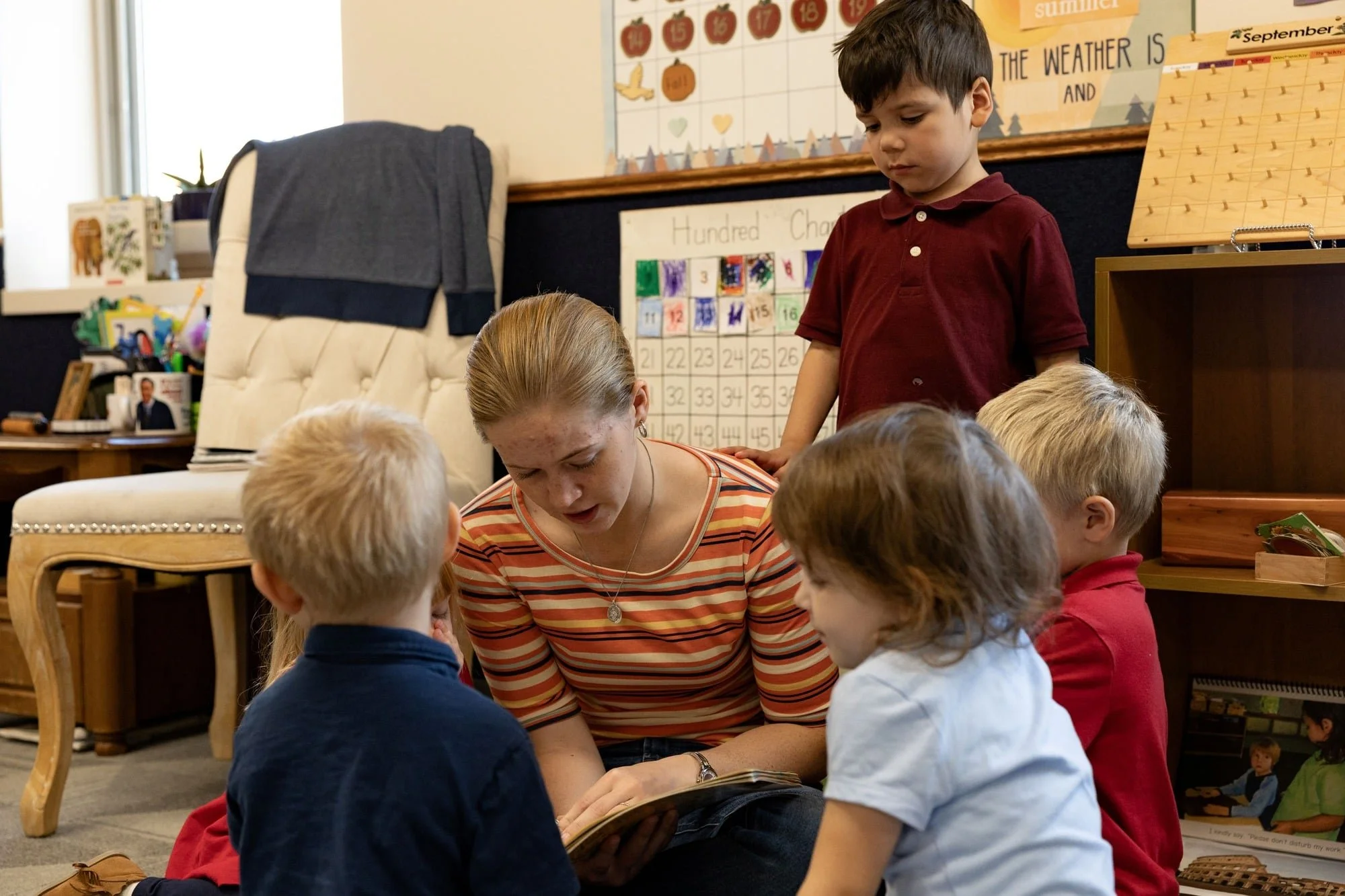
Our learning environments are carefully prepared spaces where children ages 3 through 12 years are invited to explore, discover, and grow in independence, wonder, and joy.
Explore Each Environment
Children’s House
3 yr - 6 yr
The Children’s House is where children first experience the joy of purposeful work. In this carefully prepared environment, they engage with hands-on materials that spark concentration, order, and independence. Practical life and sensorial activities build confidence and coordination, while early math, language, and cultural lessons open pathways to discovery.
Spiritual development is encouraged through moments of stillness, gratitude, and wonder—nurturing an awareness that the world is a gift to be cared for. The Children’s House cultivates both the mind and the heart, preparing children for a lifetime of learning and reverence.
Lower
Elementary (E1)
6 yr - 9 yr
Elementary I builds on the foundation of the Children’s House by guiding children into deeper exploration of the world around them. This is a period when imagination blossoms, and our curriculum expands to meet the child’s hunger for knowledge. Lessons are presented as stories that invite wonder about creation, human history, and the interconnectedness of all life.
Children learn to collaborate, investigate, and think critically. They take on increasingly complex work in mathematics, language, science, and the arts. In keeping with Catholic thought, children are also encouraged to see knowledge as a gift meant to be shared and used responsibly. This environment fosters a sense of moral responsibility, empathy, and respect for the dignity of others.
Upper
Elementary (E2)
9 yr - 12 yr
Elementary II supports the child’s growth into a thoughtful, responsible, and capable young person. At this stage, students are ready for abstract thinking, big questions, and deeper engagement with culture, history, and science. They take greater ownership of their learning and develop the ability to work on long-term projects that connect disciplines and spark creativity.
This environment emphasizes leadership, responsibility, and service. Inspired by the Catholic understanding of the human person, children are invited to see their learning as preparation for meaningful contribution to their community and the wider world. By the time they leave Elementary II, students are not only academically strong but also grounded in habits of care, reflection, and purpose.
Catechesis of the Good Shepherd
Catechesis of the Good Shepherd (CGS) is a religious education curriculum for ages 3-12 that builds upon a child’s natural sense of wonder and their need to learn through rich sensory experiences in order to help the child fall in love with God. CGS seeks to create and facilitate a sacred, “hands-on space” in which both the children and their catechists can hear, ponder, and celebrate the essential mysteries of the Catholic faith as revealed in Scripture and the Liturgy.
-
Refined over four decades, CGS catechizes each child individually in a unique and beautiful space called the atrium. The Atrium is a specially prepared place for the Catechesis of the Good Shepherd. It is a place where we gather with children to listen to God through:
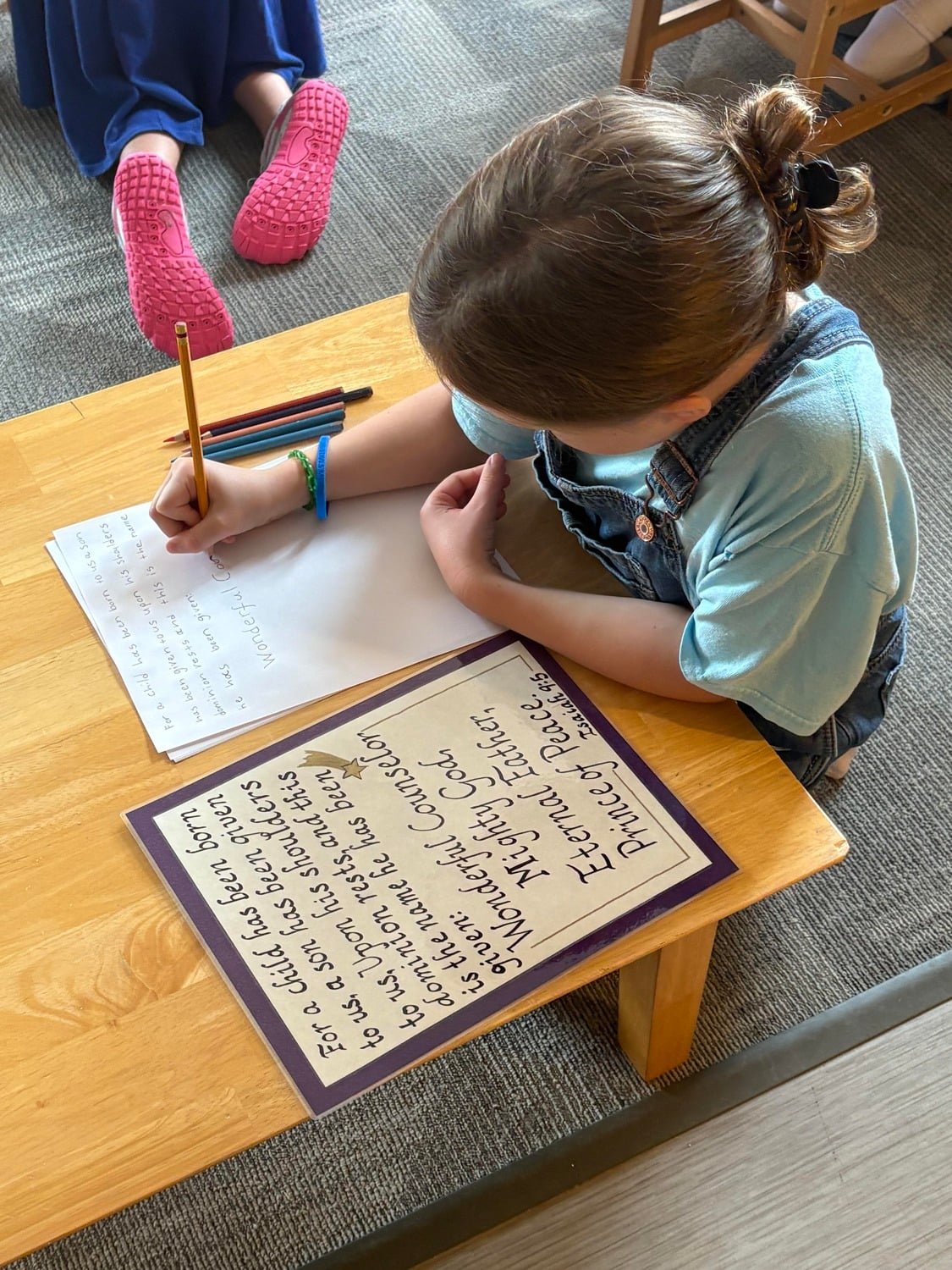
Sharing of Holy Scripture
Learning about the Sacraments
Exploring the Parables Jesus shared about the Kingdom of God and how we should live in God’s Kingdom
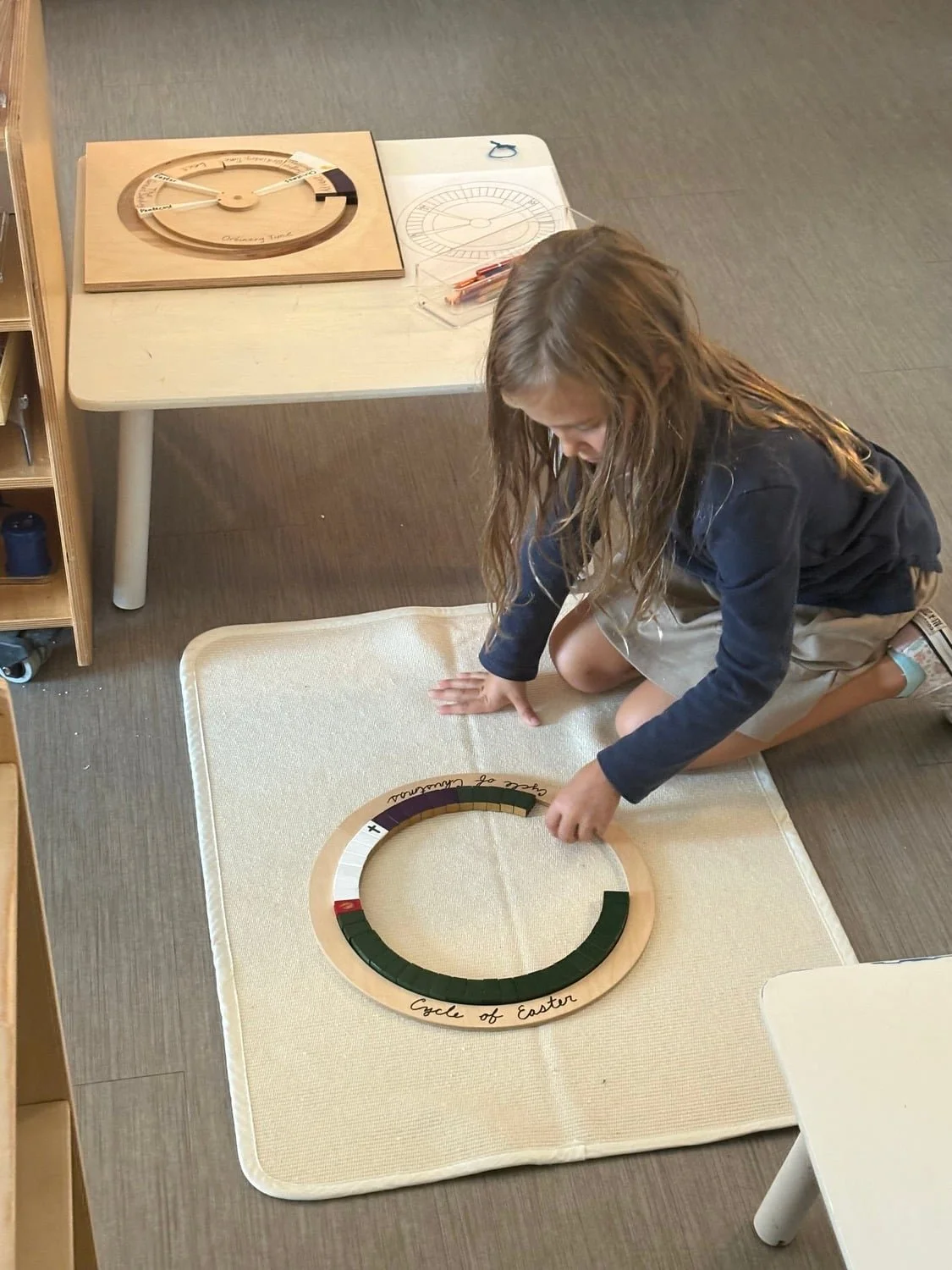
Learning about the Mass, including the articles used, the priest’s garments, prayers and gestures, and the colors and cycle of the church year
Understanding the history of the life of Jesus through the Bible and Biblical geography
Prayer – communal and individual
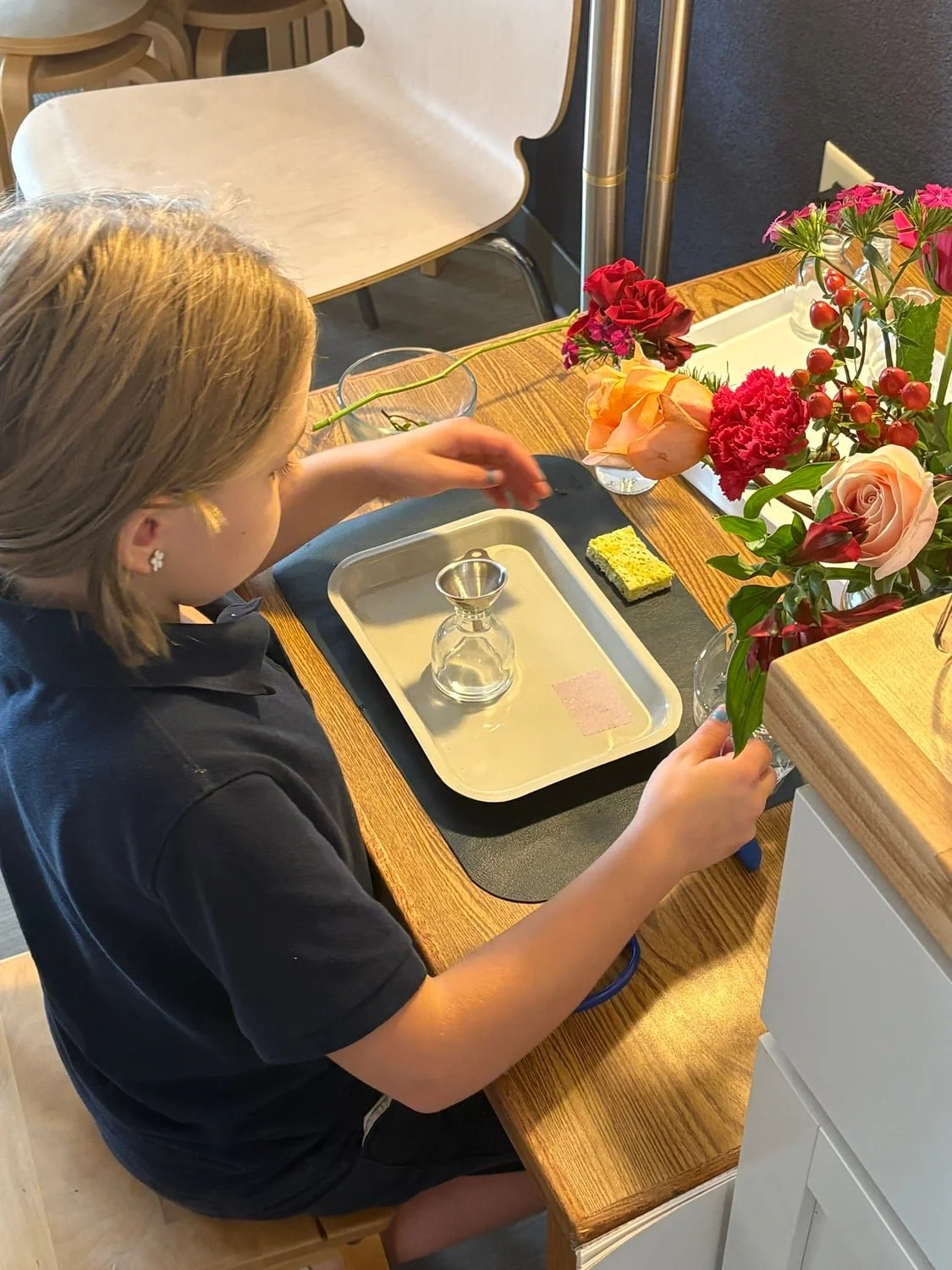
Practical Life Exercises – meant for development as well as meditative movement
Art – as an expression of relationship to God
-
Catechesis of the Good Shepherd is based on two pillars: Scripture and Liturgy. The adult and child immerse themselves in Scripture to ponder who God is, His love for us, His Kingdom, and how we are to live in that Kingdom. By lifting up specific aspects of the Liturgy for the child, the adult helps them to understand the depth of the Mass and to better participate in the life of the Church that Jesus Himself founded.